 Reviews


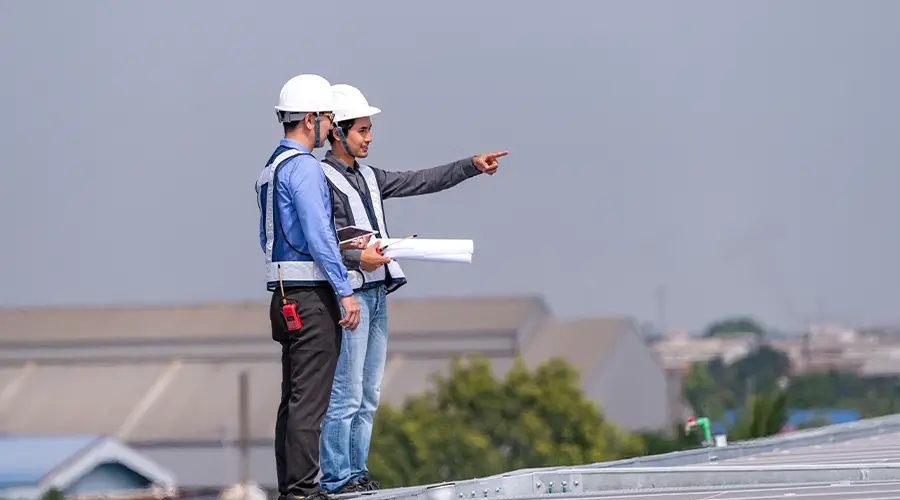
A roof inspection is one of the most important steps in protecting your home. Many homeowners wait until they see a leak or notice visible damage before calling a roofing professional, but inspections are valuable even when there is no obvious problem. They help identify early wear, hidden moisture issues, and weak points that could lead to more expensive repairs later.
If you have never scheduled a roof inspection before, you may be wondering what actually happens during the process. Understanding what to expect can help you feel more prepared and make it easier to ask the right questions. In this guide, we will explain how a professional roof inspection works, what roofers look for, and why regular inspections can save homeowners time and money.
Why a Roof Inspection Matters?
Your roof faces constant exposure to sun, rain, wind, temperature changes, and debris. Over time, even a well-built roof can develop weak spots. Some of these problems are easy to see from the ground, but many are hidden beneath shingles or around roof features.
A professional inspection helps catch problems before they grow into major issues. It can also give you a better understanding of your roof’s current condition and how much life it may have left.
Common reasons homeowners schedule a roof inspection include:
- After a major storm or heavy wind event
- Before buying or selling a home
- When the roof is getting older
- After noticing leaks or ceiling stains
- As part of regular home maintenance
- Before planning repairs or replacement
An inspection gives you a clearer picture of what your roof needs now and what may need attention later.
Step 1: Initial Conversation and Property Review
A professional roof inspection often begins with a short conversation. The roofing contractor may ask whether you have noticed any leaks, missing shingles, indoor stains, or recent storm damage. This helps them understand what areas may need closer attention.
They may also ask about:
- The age of the roof
- Past repairs or replacement work
- The type of roofing material installed
- Any known drainage or attic issues
- Whether you have noticed changes in energy efficiency
This first step helps the inspector approach the roof with useful context rather than starting completely blind.
Step 2: Exterior Roof Examination
The main part of the inspection is the exterior review. The roofer will examine the surface of the roof and look for visible signs of wear, damage, and aging. Depending on the roof design and safety conditions, they may inspect it from the roof itself, from a ladder, or using other visual methods.
During the exterior inspection, they often check for:
- Missing shingles
- Cracked or curling shingles
- Granule loss on asphalt shingles
- Loose or lifted roofing materials
- Soft spots or uneven areas
- Signs of sagging
- Debris buildup on the roof surface
They will also look at how the roof is aging overall. A roof may not have one major issue, but widespread minor damage across multiple sections can still signal that repairs or replacement may be needed soon.
Step 3: Inspection of Flashing and Roof Penetrations
Some of the most leak-prone areas of a roof are around penetrations and roof transitions. These include places where vents, chimneys, skylights, or walls meet the roof surface. Roofers pay close attention to these areas because flashing problems often allow water in before homeowners notice anything from inside.
During this part of the inspection, they may check:
- Flashing around chimneys
- Vent pipe seals
- Skylight edges
- Wall intersections
- Valleys where roof slopes meet
- Sealant around exposed roof features
If flashing is rusted, lifted, cracked, or poorly sealed, it may need repair even if the rest of the roof still looks acceptable.
Step 4: Gutter and Drainage Review
A roof inspection usually includes a quick review of the drainage system. Gutters, downspouts, and roof drainage paths help move water away from the home. If they are clogged or damaged, water can back up and create moisture problems near the roof edge.
The roofer may look for:
- Gutter blockages
- Overflow patterns
- Granule buildup in gutters
- Loose gutter sections
- Improper downspout drainage
- Water stains near fascia or soffits
Drainage problems do not always mean the roof itself is failing, but they can contribute to roofing damage if ignored.
Step 5: Attic or Interior Check
In many cases, a professional roof inspection also includes a look inside the attic or upper interior spaces. This is especially helpful when there are signs of a leak, moisture smell, or ceiling staining. Sometimes the best clues about roof damage are found from below rather than above.
Inside the attic, the inspector may check for:
- Water stains on wood or insulation
- Damp insulation
- Mold or mildew growth
- Poor ventilation
- Light coming through roof boards
- Signs of long term moisture buildup
An attic inspection can reveal hidden problems that are not visible from the roof surface alone.
Step 6: Identifying Storm Damage or Wear Patterns
If your inspection is taking place after a storm, the roofer will likely focus on signs of weather-related damage. Wind, hail, falling branches, and flying debris can all affect roof materials differently.
They may document issues such as:
- Torn or missing shingles
- Impact marks from hail
- Damaged flashing
- Cracked sealant
- Lifted edges caused by wind
- Dents on metal roofing components
Even if the roof looks mostly intact, small storm-related issues can worsen over time if they are not addressed.
Step 7: Summary of Findings
Once the inspection is complete, the roofing professional will usually explain what they found. This summary may include immediate concerns, minor issues to monitor, and recommendations for repair or replacement. A good inspection should leave you with a clear understanding of your roof’s condition.
You may receive feedback on:
- Areas with active damage
- General roof aging
- Moisture concerns
- Ventilation issues
- Drainage performance
- Whether repair or replacement is recommended
This is a good time to ask questions and make sure you understand which issues are urgent and which ones can be planned for later.
Questions Homeowners Should Ask
To get the most value from a roof inspection, it helps to ask a few practical questions before the appointment ends.
Helpful questions include:
- What problems did you find?
- Are there signs of active leaks?
- Is the damage localized or widespread?
- How much life does the roof appear to have left?
- Which repairs should be handled first?
- Do you see signs that replacement may be needed soon?
These questions can help you plan next steps with more confidence.
How Often Should You Schedule a Roof Inspection?
Many homeowners benefit from having their roof inspected on a regular basis, especially as the roof gets older. While every property is different, inspections are often a smart idea after major storms and as part of routine maintenance.
You should strongly consider an inspection when:
- Your roof is more than 10 to 15 years old
- You recently experienced severe weather
- You are seeing interior moisture signs
- You are buying or selling a home
- You want to prevent bigger roofing costs later
Regular inspections can help extend the life of the roof and reduce the chance of surprise repairs.
Final Thoughts
A professional roof inspection is more than a quick look at shingles. It is a detailed review of the roof’s surface, flashing, drainage, and interior warning signs that could point to hidden problems. Knowing what to expect during the inspection helps homeowners feel more informed and better prepared to protect their property.
Whether your roof is aging, has been through a storm, or simply has not been checked in a while, a professional inspection can give you peace of mind and help you catch issues before the damage gets worse.